
Pocket Pet Care in Oakland, TN
Finding veterinary care for a pocket pet can be harder than it should be. At Main Street Animal Clinic, we provide medical care and health guidance for pocket pets—giving small animal owners in the Oakland, TN area a place to turn when their pet needs attention.
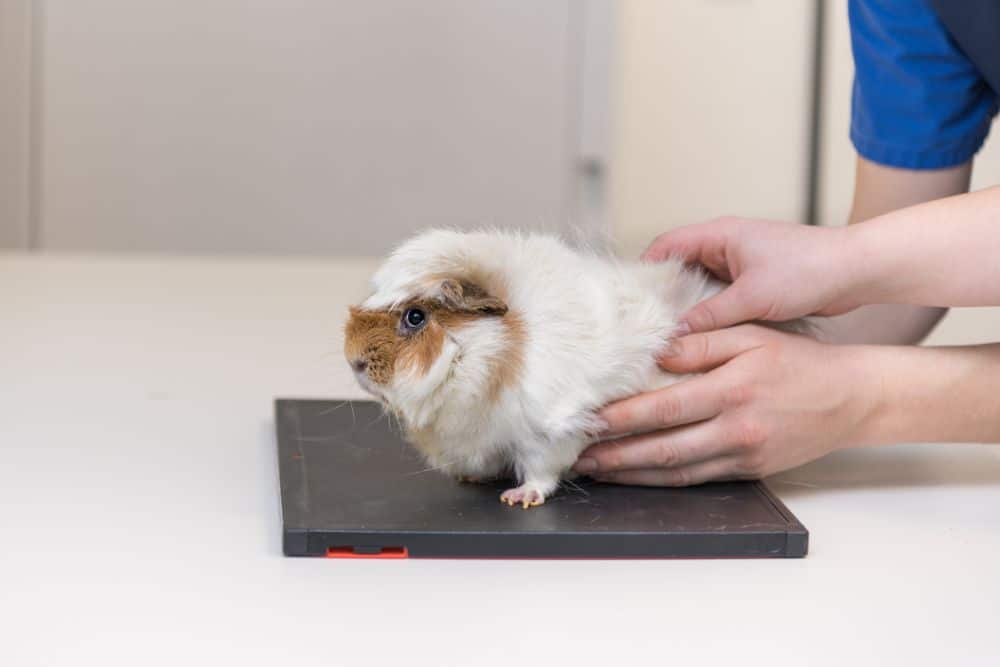
Pocket Pet Species We See
We provide care for a variety of small companion animals, including:
- Guinea pigs
- Hamsters
- Gerbils
- Rats and mice
- Other small mammals
If you’re unsure whether we see your particular species, give us a call at (901) 235-7127, and we’ll let you know what we can offer. For rabbit spays and neuters specifically, see our Pet Spaying and Neutering page.
What Pocket Pet Care Includes
Physical examination
A hands-on assessment of your pocket pet’s overall condition, including weight, body condition, eyes, ears, teeth, skin, and coat. Small animals can decline quickly when ill, so early evaluation matters—even when symptoms seem minor.
Wound and skin care
Minor wounds, abrasions, skin irritation, and small masses can be evaluated and treated during a visit. We’ll advise on home care and monitoring and let you know when a concern warrants further intervention.
Supportive care for mild illness
For pocket pets showing early signs of illness—reduced appetite, lethargy, or mild respiratory symptoms—we can provide supportive care and guidance. Small animals have limited physiological reserves, which is why acting on symptoms early gives the best outcomes in many cases.
Dental assessment
Dental problems are common in many pocket pet species, particularly guinea pigs. Overgrown or misaligned teeth can cause significant discomfort and feeding difficulty. We assess dental health as part of our examination and can advise on next steps when issues are found.
Husbandry and habitat consultation
Many health problems in pocket pets stem from environmental or dietary issues—incorrect bedding, temperature extremes, inappropriate diet, or inadequate enrichment. We offer husbandry guidance to help you optimize your pet’s living conditions and reduce preventable health risks.
Diagnostic support
When a physical exam alone isn’t enough to identify the cause of a pocket pet’s symptoms, basic diagnostics may help. We’ll discuss what’s appropriate and feasible given your pet’s species and size.
Why Pocket Pets Need a Different Approach
Small companion animals aren’t scaled-down versions of dogs and cats. They have distinct physiology, stress responses, and disease patterns that require a tailored approach to examination and treatment. A guinea pig’s normal heart rate, respiratory pattern, and body temperature differ significantly from a dog’s—and what looks like mild lethargy in a larger animal can represent serious illness in a pocket pet.
Handling technique also matters. Pocket pets are easily stressed by restraint, and excessive handling during an examination can compromise both the pet’s safety and the quality of the exam. Our team works calmly and efficiently to minimize stress while completing a thorough evaluation.
Signs Your Pocket Pet May Need Medical Attention
Pocket pets are prey animals and tend to mask illness until they’re significantly unwell. Don’t wait for obvious distress before calling us—earlier evaluation almost always leads to better outcomes. Common signs to watch for include:
- Reduced appetite or stopped eating entirely
- Weight loss, even when eating appears normal
- Changes in droppings—fewer, smaller, softer, or absent
- Lethargy or unusual stillness during active hours
- Labored, noisy, or rapid breathing
- Sneezing, nasal discharge, or wet eyes
- Hair loss, skin irritation, or visible wounds
- Swelling, lumps, or masses anywhere on the body
- Teeth grinding or drooling, which may indicate dental pain
- Loss of balance or abnormal movement
If your pocket pet is showing multiple symptoms or appears to be declining quickly, call us as soon as possible. For after-hours emergencies, contact our emergency referral partners who can advise on next steps.
Pocket Pet Care FAQs
Do you see guinea pigs?
My hamster seems lethargic—should I be worried?
Do you provide care for rats and mice?
What should I bring to my pocket pet's appointment?
Can you perform surgery on pocket pets?
Schedule a Pocket Pet Appointment in Oakland, TN
Our clinic is located at 7980 Hwy 64 in Oakland, TN, and serve small animal owners from across Fayette, Shelby, Hardeman and Tipton counties, as well as some areas of Mississippi. If your pocket pet needs medical attention or you have questions about their health, call us at (901) 235-7127 or book online to schedule a visit.