
Pet Orthopedic Surgery in Oakland, TN
When bone and joint problems affect a pet’s quality of life, surgery can often be the most effective path to lasting relief. At Main Street Animal Clinic, our veterinarians perform orthopedic procedures for dogs and cats, from fracture repair to cruciate ligament surgery.
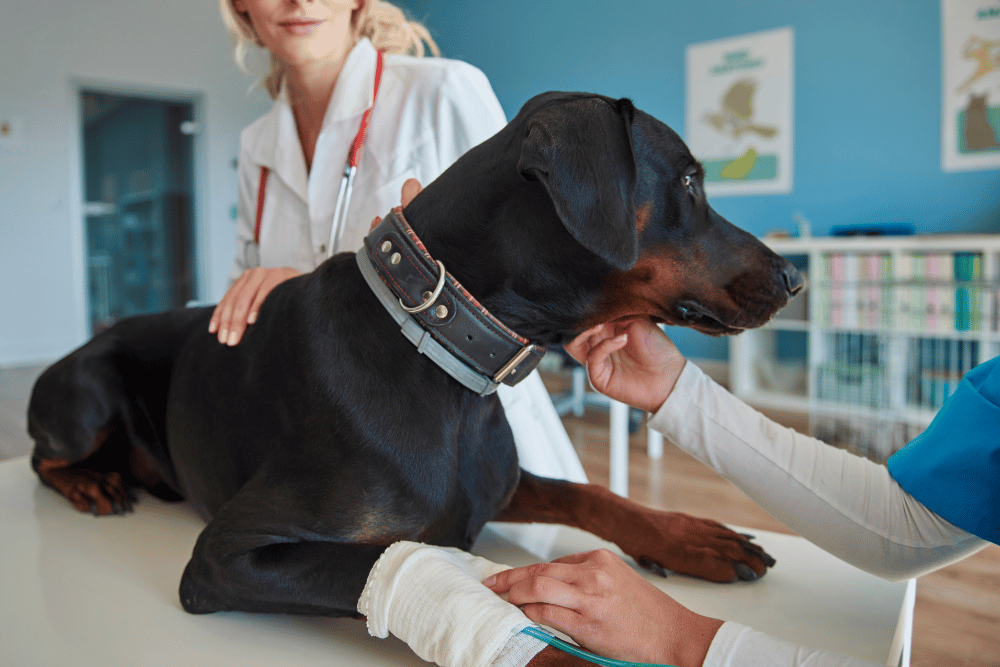
Orthopedic Conditions We Treat
Fractures
Broken bones in dogs and cats can result from trauma, falls, or—in some cases—underlying conditions that weaken bone structure. Treatment depends on the location and severity of the fracture, the pet’s age and size, and overall health. Many fractures are repaired surgically using plates, pins, screws, or external fixators to stabilize the bone and support proper healing. Pre-surgical X-rays are essential for assessing fracture type and planning the repair approach.
Cruciate ligament injuries
Cranial cruciate ligament (CCL) rupture is one of the most common orthopedic injuries in dogs—the canine equivalent of an ACL tear in people. It causes sudden or progressive hindlimb lameness and, if left untreated, leads to ongoing joint instability and arthritis. Surgical repair is the most reliable treatment for restoring function and reducing long-term joint damage.
Patellar luxation occurs when the kneecap shifts out of its normal position in the groove of the femur. It’s particularly common in small breeds and can range from occasional slipping to a persistent problem that causes pain and abnormal gait. Surgical correction realigns the kneecap and deepens the groove to prevent recurrence.
Joint luxation
Dislocated joints—most commonly the hip, elbow, or shoulder—require prompt evaluation. Some luxation’s can be manually reduced without surgery; others need surgical stabilization to prevent repeat dislocation and protect surrounding structures.
Bone and joint infections
Infections involving bone (osteomyelitis) or joints (septic arthritis) are serious conditions requiring aggressive treatment. Depending on severity, surgical debridement may be necessary in addition to medical management.
Congenital and developmental conditions
Some pets are born with or develop structural abnormalities as they grow—such as hip dysplasia, elbow dysplasia, or angular limb deformities. Early evaluation helps us determine whether surgical intervention is appropriate and, if so, the right timing for the procedure.
How We Diagnose Orthopedic Problems
Accurate diagnosis is the foundation of good surgical outcomes. Before recommending any procedure, we conduct a thorough physical and orthopedic examination, assessing gait, joint range of motion, pain response, and muscle mass. We follow this with digital radiographs to evaluate bone structure, joint spacing, and any changes consistent with arthritis or other conditions. In some cases, ultrasound provides additional soft tissue detail that X-rays can’t capture.
Pre-surgical blood work is required before any procedure involving anesthesia to confirm your pet is healthy enough for surgery.
Preparing Your Pet for Orthopedic Surgery
Once surgery is recommended, we’ll review everything you need to know before the procedure. This includes fasting instructions, any medication adjustments, and what to expect on the day of surgery. We perform pre-anesthetic blood work for all surgical patients and monitor vital signs throughout the procedure.
Pain management is built into our surgical protocol—not an afterthought. We use multimodal pain control before, during, and after surgery to keep your pet comfortable through recovery
Recovery and Post-Operative Care
Orthopedic recovery typically requires more time and structured rest than soft tissue procedures. Most pets need strict activity restriction for several weeks following surgery, with gradual reintroduction of movement as healing progresses. We’ll provide clear written instructions for home care, including how to manage incision monitoring, medication administration, and activity levels.
Follow-up appointments allow us to assess healing progress through repeat X-rays and physical examination. For pets managing ongoing joint discomfort during or after recovery, chiropractic care may also be a useful complementary option worth discussing with our team.
For procedures that don’t involve orthopedic issues, see our Pet Soft Tissue Surgery page.
Pet Orthopedic Surgery FAQs
How do I know if my pet needs orthopedic surgery?
Is orthopedic surgery safe for older pets?
How long is the recovery after cruciate ligament surgery?
Will my pet need physical rehabilitation after surgery?
What if my pet needs a specialist?
Schedule an Orthopedic Consultation in Oakland, TN
If your pet is limping, struggling to move comfortably, or recovering from a bone or joint injury, we’re here to help. Our clinic is located at 7980 Hwy 64 in Oakland, TN, and we serve pets and their families from across Fayette, Shelby, Hardeman and Tipton counties, as well as some areas of Mississippi. Call us at (901) 235-7127 or book online to schedule a consultation.